Get Your Christmas Cactus to Bloom Heavily
Unlock abundant Christmas cactus blooms! Discover the cool, dark rest secret for spectacular flowering this holiday season.
Published 20 min read
In this guide 16 sections
Introduction: The Secret to Abundant Christmas Cactus Blooms
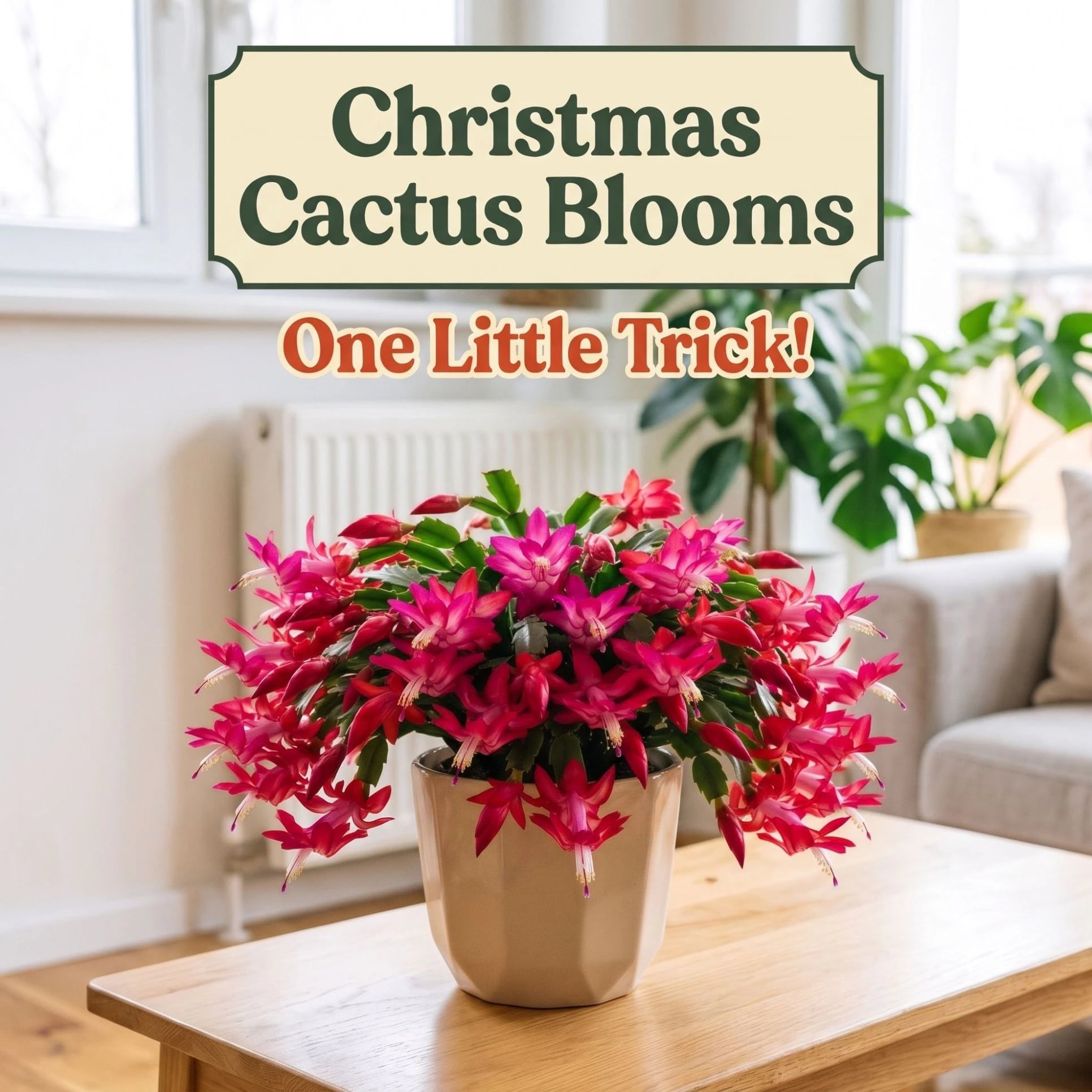
There's nothing quite like the vibrant, cascading blooms of a Christmas cactus to brighten the dreary days of winter. These festive plants are a staple in many homes, often passed down through generations, bringing a touch of tropical cheer when the landscape outside is barren. However, many gardeners find themselves with a healthy, green plant that simply refuses to flower, leaving them wondering how to coax those coveted blossoms into existence. You've probably seen the viral buzz about a "secret" method to get your Christmas cactus to bloom heavily. Well, as a master gardener, I can tell you there's no magic involved, just good, old-fashioned horticultural science mimicking the plant's natural environment. The key lies in understanding what triggers these beautiful epiphytic cacti to produce their show-stopping flowers. In this comprehensive guide, we'll demystify the process and equip you with the knowledge and steps to transform your shy Christmas cactus into a prolific bloomer. By following these proven techniques, you'll be able to enjoy a spectacular display of blooms, turning your plant into a true holiday centerpiece year after year.Why Abundant Christmas Cactus Blooms Matter
Beyond their undeniable beauty, encouraging abundant Christmas cactus blooms offers several benefits for the enthusiastic gardener. Firstly, a heavily flowering plant is a testament to successful gardening—it shows you've provided the optimal conditions for your plant to thrive, which is incredibly satisfying. These plants are often heirlooms, and coaxing them into a spectacular bloom cycle ensures their legacy continues to delight. Secondly, a vibrant, blooming Christmas cactus significantly boosts the aesthetic appeal of your indoor spaces during a time when outdoor gardening options are limited. Imagine the joy of seeing those brilliant pink, red, or white flowers against the backdrop of winter. They make fantastic, living decorations and thoughtful, homemade gifts. For those looking to enhance their home's seasonal decor, a thriving Christmas cactus is far more impactful than a sparse one. Finally, understanding the specific environmental triggers for your Christmas cactus deepens your overall gardening knowledge. It teaches you about photoperiodism and temperature sensitivity in plants, skills that can be applied to other flowering houseplants. This isn't just about one plant; it's about becoming a more intuitive and successful gardener, leading to healthier plants and more rewarding experiences across your entire collection.What You'll Need for Optimal Christmas Cactus Blooms
To successfully get your Christmas cactus to bloom heavily, you'll need a few basic items and a suitable environment. Most of these are readily available and won't break the bank.- Your Christmas Cactus Plant: Ensure it's healthy, free from pests, and established in its pot.
- A Cool Room: An unheated guest bedroom, a basement corner, or a seldom-used room where temperatures naturally drop to 50-60°F (10-15°C) at night. (Budget-friendly: utilize existing home spaces.)
- A Dark Space: A closet, a room with blackout curtains, or a large cardboard box to cover the plant for 12-14 hours of uninterrupted darkness each night. (Budget-friendly: repurpose a sturdy moving box.)
- A Thermometer: To monitor the temperature in your chosen cool room. (Budget-friendly: a simple indoor thermometer.)
- Watering Can: For precise, gentle watering.
- Well-Draining Potting Mix: While not for immediate use during the rest period, ensure your plant is in an appropriate mix. A mix designed for cacti and succulents, or an orchid mix, is ideal. (Premium option: organic succulent mix with added perlite and bark.)
- Appropriate Pot: Your plant should be in a pot with drainage holes. Ceramic or plastic are both fine, but ensure good drainage. (Premium option: self-watering pot with a well-designed reservoir, though be cautious during the rest period.)
Step-by-Step Guide to Triggering Christmas Cactus Blooms
The secret to abundant Christmas cactus blooms lies in mimicking the plant's natural dormant period, which includes specific light, temperature, and watering conditions. Follow these steps precisely to encourage heavy bud formation.Stage 1: The Pre-Bloom Rest Period (6-8 Weeks Before Desired Blooms)
- Determine Your Bloom Date: Decide when you want your Christmas cactus to be in full bloom. For example, if you want blooms by early December, count back 6-8 weeks, meaning you should start this process in mid-October.
- Identify a Suitable Location: Find a cool room in your home that naturally stays between 50-60°F (10-15°C) at night. This could be a spare bedroom, an unheated sunroom, or even a basement corner. The room should also be one where you can control light completely.
- Initiate the Darkness Cycle: Each night, for 12 to 14 consecutive hours, your plant needs complete, uninterrupted darkness. This is crucial for bud formation.
- Room Method: Move the plant into a room that remains completely dark at night. Ensure no artificial light from other rooms, streetlights, or electronics penetrates.
- Box Method: If a dark room isn't feasible, cover your plant with a large, opaque cardboard box every evening. Make sure the box is big enough to not touch the plant's foliage and completely blocks out all light. Remove the box every morning.
- Maintain Cool Temperatures: During this 6-8 week period, aim for night temperatures around 50-60°F (10-15°C). Day temperatures can be slightly warmer, up to 65-70°F (18-21°C), but avoid anything above 75°F (24°C). Use a thermometer to monitor the area.
- Reduce Watering: During this rest period, your Christmas cactus requires less water. Allow the top inch of soil to dry out completely before watering again. When you do water, do so sparingly, just enough to moisten the soil without making it soggy. This slightly drier period helps to stress the plant just enough to encourage blooming.
- Stop Fertilizing: Suspend all fertilization during this rest period. The plant is not actively growing foliage and doesn't need nutrients. Fertilizing now can actually hinder bloom production and lead to salt buildup in the soil.
- Provide Bright Indirect Light by Day: During the day, your Christmas cactus still needs bright, indirect light. Place it near a window where it receives plenty of ambient light but no direct, scorching sun.
Stage 2: Post-Rest Care and Bud Development
- Watch for Bud Formation: After 6-8 weeks, you should start to see tiny buds forming at the tips of the leaf segments. They often appear as small, reddish or greenish nubs.
- Resume Normal Watering: Once buds are clearly visible, you can gradually increase watering. Water thoroughly when the top 1-2 inches of soil feel dry to the touch. Ensure excess water drains freely from the bottom of the pot.
- Maintain Consistent Conditions: While you can move your plant back to a more prominent display location once buds have formed, it's crucial to avoid drastic changes. Try to keep temperatures consistent and continue to provide bright, indirect light.
- Resist Turning or Moving: This is a critical caution! Once buds have formed, do not move or turn the plant. Christmas cacti are very sensitive to changes in light direction and orientation during bud development. Moving the plant can cause the buds to drop prematurely.
- Avoid Drafts and Heaters: Keep your plant away from cold drafts from windows or doors, and also away from direct heat sources like radiators, heating vents, or fireplaces. Sudden temperature fluctuations are a common cause of bud drop.
- Do Not Overwater: Even after buds form, overwatering remains a significant threat. Soggy soil can lead to root rot, which will cause buds to drop and potentially kill the plant. Always check soil moisture before watering.
Best Growing Conditions for Christmas Cactus
Understanding the ideal growing conditions for your Christmas cactus is fundamental to its overall health and spectacular blooming. These plants are epiphytic cacti, meaning they naturally grow on trees in tropical rainforests, not in desert sand. This gives us clues about their preferred environment.| Condition | Ideal Parameters |
|---|---|
| Light | Bright, indirect light (4-6 hours daily). Avoid direct, harsh sunlight which can scorch leaves. East or north-facing windows are often ideal. |
| Soil Type & pH | Well-draining, airy potting mix. A commercial cactus/succulent mix or an orchid mix with added perlite and bark is excellent. pH of 5.5-6.5 (slightly acidic). |
| Watering | Water thoroughly when the top 1-2 inches of soil are dry. Allow excess water to drain. Reduce significantly during the pre-bloom rest period. Never let it sit in standing water. |
| Temperature | Active Growth: 65-75°F (18-24°C). Bloom Initiation: 50-60°F (10-15°C) at night, up to 70°F (21°C) during the day. Blooming: 60-70°F (15-21°C). |
| Humidity | Prefers high humidity (50-60%). Mist occasionally or place on a pebble tray with water. |
| USDA Hardiness Zones | Typically grown as houseplants. Outdoors, only in very sheltered areas of Zones 10-12. |
| Best Season for Bloom Initiation | Late fall/early winter (October-November) for traditional Christmas blooms. |
Pro Gardening Hacks and Tips for Christmas Cactus
Beyond the basic care, these expert tips can elevate your Christmas cactus care and lead to even more impressive blooms.- Bottom Watering for Thirsty Roots: Instead of top watering, place your potted Christmas cactus in a shallow tray of water for 20-30 minutes, allowing the plant to soak up water from the drainage holes. This encourages deeper root growth and prevents soil compaction.
- Pebble Tray for Humidity: To increase humidity, place your pot on a tray filled with pebbles and water. Ensure the bottom of the pot doesn't sit directly in the water, as this can lead to root rot. As the water evaporates, it creates a humid microclimate around the plant.
- Listen to the Leaves: The leaf segments can tell you a lot. If they look shriveled or a bit droopy, the plant is likely thirsty. If they are soft and mushy, it's probably overwatered.
- The "Cool Shower" Boost: Occasionally, during active growth (not during the rest period or blooming), give your plant a gentle "shower" with lukewarm water. This helps clean dust from the leaves and can slightly boost humidity.
- Pruning for Bushiness and More Blooms: After flowering, prune your Christmas cactus by twisting off a few segments from each stem. This encourages the plant to branch out, leading to a bushier plant with more potential bloom sites next season.
- Repotting Every Few Years: Christmas cacti prefer to be a bit root-bound, but repotting every 2-3 years after flowering (in spring) into a slightly larger pot with fresh soil can rejuvenate the plant and provide new nutrients.
- Consider a Humidifier: If your home is very dry, especially in winter, a small room humidifier near your Christmas cactus can make a significant difference in its overall health and bloom quality.
- Fertilize During Active Growth Only: Use a balanced liquid fertilizer (e.g., 10-10-10 or 20-20-20, diluted to half strength) once a month from spring through early fall. Switch to a bloom-boosting fertilizer (higher phosphorus) in late summer/early fall, then stop completely for the rest period.
- Rotate During Growth, Not Bloom: During its active growing season, rotate your plant regularly to ensure even growth and light exposure. Once buds form, cease all rotation to prevent bud drop.
- Support Heavy Bloomers: For very mature plants with abundant blooms, the cascading stems can become quite heavy. Consider a decorative plant stake or a small trellis to provide support and prevent breakage.
Organic and Natural Alternatives for Christmas Cactus Care
While commercial products are effective, many gardeners prefer organic and natural approaches for their houseplants. These methods focus on soil health and natural pest control.- Compost Tea for Nutrients: Instead of synthetic liquid fertilizer, you can use compost tea during the active growing season. Steep a cup of mature compost in a gallon of non-chlorinated water for 24-48 hours. Strain the liquid and use it to water your plant once a month. This provides a gentle, slow-release nutrient boost and beneficial microbes. However, remember to stop all feeding during the pre-bloom rest period.
- Worm Castings for Soil Enrichment: Mix a tablespoon or two of worm castings into the top inch of your Christmas cactus's soil in spring. Worm castings are a fantastic slow-release organic fertilizer that improves soil structure and nutrient availability. Again, avoid during the bloom-triggering rest phase.
- Neem Oil for Pest Prevention: For natural pest control, a diluted neem oil solution can be effective against common houseplant pests like mealybugs or spider mites. Mix 1-2 teaspoons of 100% cold-pressed neem oil with 1 teaspoon of mild liquid soap per quart of water. Spray thoroughly on all leaf surfaces (top and bottom) every 7-10 days until pests are gone. Always test on a small area first to ensure no leaf burn, and apply in indirect light.
- Beneficial Fungi (Mycorrhizae): Some organic potting mixes include mycorrhizal fungi, which form a symbiotic relationship with plant roots, enhancing nutrient and water uptake. While not a direct "alternative," choosing such a potting mix supports overall plant health naturally.
Common Mistakes to Avoid with Christmas Cactus Blooms
Even experienced gardeners can sometimes make errors that prevent their Christmas cactus from blooming. Being aware of these common pitfalls can save you frustration.- Incorrect Darkness Cycle: This is the most common mistake. Even a brief flash of light during the 12-14 hour dark period can reset the plant's internal clock and prevent bud formation. Streetlights, a hallway light, or even a cell phone screen can be enough disruption.
- Too Warm Temperatures: If the night temperatures don't drop sufficiently (below 60°F or 15°C), the plant may not get the signal to form buds, even with perfect darkness. Many homes are kept too warm for optimal bloom initiation.
- Overwatering During Rest Period: Keeping the soil too wet during the cool, dark rest period is detrimental. The plant's metabolism slows down, requiring less water. Overwatering in cool conditions quickly leads to root rot, which will cause buds to drop and can kill the plant.
- Moving or Turning After Buds Form: This is a classic cause of bud drop. Once those precious buds appear, the plant establishes its orientation to light. Any significant change in position or direction can stress the plant, causing it to abort its buds.
- Fertilizing During Rest or Bloom: Fertilizing during the bloom-triggering rest period is counterproductive. Once buds appear and are developing, avoid heavy fertilization. A very diluted bloom-booster can be given sparingly once buds are pea-sized, but generally, it's best to wait until after flowering.
- Exposure to Cold Drafts or Hot Air: Extreme temperature fluctuations are detrimental. Cold drafts from open windows or doors, or hot, dry air from heating vents, can shock the plant and lead to bud blast or drop.
- Insufficient Light During the Day: While darkness is crucial at night, bright, indirect light is still essential during the day for photosynthesis and energy production, even during the rest period. A plant kept in dim conditions all day will struggle to produce robust blooms.
Troubleshooting Pests and Problems on Christmas Cactus
Even with the best care, Christmas cacti can occasionally encounter pests or other issues. Early detection and treatment are key to keeping your plant healthy and blooming.Common Pests:
- Mealybugs: These look like tiny, white, cottony masses, often found in leaf axils or on the undersides of segments. They suck sap, weakening the plant.
- Symptoms: White, fuzzy spots; sticky residue (honeydew); stunted growth; distorted leaves.
- Cause: Often introduced from new plants or through open windows.
- Fix: Dab individual mealybugs with a cotton swab dipped in rubbing alcohol. For heavier infestations, spray with insecticidal soap or a diluted neem oil solution (see "Organic and Natural Alternatives"). Repeat every 7-10 days.
- Spider Mites: Tiny, almost invisible arachnids that cause stippling on leaves and fine webbing, especially on new growth.
- Symptoms: Tiny yellow or white dots on leaves; fine webbing; dull, dusty appearance.
- Cause: Thrive in hot, dry conditions.
- Fix: Increase humidity. Rinse the plant thoroughly with a strong stream of water (be gentle not to dislodge buds). Apply insecticidal soap or neem oil every 5-7 days until clear.
- Fungus Gnats: Small, dark flies that hover around the soil. Their larvae feed on organic matter and sometimes roots.
- Symptoms: Adult flies flying around; wilting or yellowing leaves (severe infestations).
- Cause: Overwatering and consistently moist soil.
- Fix: Allow the top 1-2 inches of soil to dry out completely between waterings. Use sticky traps for adults. Apply beneficial nematodes or *Bacillus thuringiensis israelensis* (BTI) to the soil for larvae.
Common Problems (Non-Pest):
- Bud Drop:
- Symptoms: Buds shrivel and fall off before opening.
- Cause: Sudden changes in temperature, light (moving/turning the plant), overwatering, underwatering, cold drafts, or low humidity.
- Fix: Maintain consistent conditions, avoid moving the plant once buds form, ensure proper watering, and protect from drafts.
- Limp, Wrinkled, or Shriveled Segments:
- Symptoms: Leaves appear deflated, soft, or shriveled.
- Cause: Most commonly underwatering, but can also be caused by severe root rot (where roots can't absorb water).
- Fix: If underwatered, water thoroughly. If root rot is suspected, repot into fresh, well-draining soil after trimming away any rotten roots.
- Reddish or Purplish Segments:
- Symptoms: Leaves take on a reddish or purplish tint.
- Cause: Too much direct sunlight or nutrient deficiency (less common).
- Fix: Move to a location with brighter indirect light. If symptoms persist, consider a balanced fertilizer during the growing season.
Realistic Expectations for Christmas Cactus Blooms
While the cool, dark rest method is highly effective for triggering Christmas cactus blooms, it's important to have realistic expectations. Not every plant will respond identically, and results can vary. Firstly, success isn't always 100% guaranteed on your first try. It might take a season or two to fine-tune the conditions in your specific home. Don't get discouraged if you don't achieve a cascade of blooms right away. Each plant is an individual, and environmental factors like humidity, which are harder to control precisely, also play a role. Secondly, results vary by plant and variety. Some Christmas cactus varieties are naturally more prolific bloomers than others. Older, more established plants tend to produce more buds than very young plants. The overall health of your plant throughout the year also impacts its ability to flower heavily. A plant stressed by pests, disease, or improper general care will have less energy to put into blooming. Thirdly, the timing of blooms can shift. While you aim for Christmas, your plant might bloom a little earlier or later. This is perfectly normal and often depends on the exact start date of your rest period and how quickly the plant responds. Enjoy the blooms whenever they arrive! Finally, bud drop can still occur. Even if you follow all the steps, a sudden, unforeseen environmental change (a drastic temperature swing, an accidental bump, an unexpected draft) can cause some buds to drop. This doesn't mean the entire process failed; it's a natural protective response from the plant. Aim for a beautiful display, but understand that perfection is rare in gardening. With consistent care, you'll significantly increase your chances of spectacular Christmas cactus blooms.DIY vs. Hiring a Professional for Plant Care
For the specific task of getting a Christmas cactus to bloom, DIY is almost always the best and most appropriate approach. This is a houseplant, and its care primarily involves understanding its needs and adjusting its indoor environment. There's no professional service specifically for "making a Christmas cactus bloom." However, there are situations where a professional might be helpful for broader plant health, which indirectly supports blooming.| Aspect | DIY Approach | Professional Service |
|---|---|---|
| Bloom Triggering | Best for: Learning plant physiology, direct control over light/temp. Cost: Minimal (thermometer, box). Time: Daily routine for 6-8 weeks. Results: Highly effective with adherence to steps. |
Not Applicable: This is a personal care routine. |
| General Plant Health / Pest Control | Best for: Common pests (mealybugs, spider mites), basic nutrient issues. Cost: Low (neem oil, insecticidal soap, fertilizer). Time: Regular scouting, application. Results: Good for minor issues. |
Best for: Severe, persistent pest infestations; diagnosing complex plant diseases; large, valuable plant collections. A local nursery or plant doctor may offer diagnostic services. Cost: $50-$200+ for consultation/treatment. Time: Varies. Results: Expert diagnosis and targeted treatment. |
| Vacation Care | Best for: Short trips (1-2 weeks) with self-watering solutions or plant sitters. Cost: Low (watering globes, pebble trays). Time: Setup time. Results: Adequate for short absences. |
Best for: Long trips (3+ weeks) for valuable plants; ensuring precise care. Some local plant shops offer boarding. Cost: $5-$20+ per plant per week. Time: Drop-off/pick-up. Results: Professional, consistent care. |
Best Products and Tools Worth Buying for Christmas Cactus Care
Investing in a few quality products can significantly enhance your Christmas cactus's health and your gardening success.- Digital Thermometer with Min/Max Function: This is invaluable for monitoring the cool room temperatures. Look for one that records the lowest and highest temperatures over a period, so you can confirm your nighttime lows are consistently in the 50-60°F range.
- Quality Cactus/Succulent Potting Mix: A well-draining mix is paramount. Look for brands that include perlite, coarse sand, or bark fines to ensure excellent aeration and drainage, preventing root rot. An organic blend can also provide beneficial microbial activity.
- Moisture Meter: While experienced gardeners can judge soil moisture by feel, a moisture meter offers an objective reading, helping you avoid both over and underwatering, especially crucial during the rest period.
- Humidifier: If your home is particularly dry, especially in winter when heating systems are running, a small personal humidifier can provide the tropical humidity your Christmas cactus craves, leading to healthier foliage and less bud drop.
- Balanced Liquid Houseplant Fertilizer: For active growth, a good all-purpose liquid fertilizer (e.g., 10-10-10 or 20-20-20) will provide essential nutrients. Look for one that is easy to dilute and has micronutrients. Remember to stop fertilizing during the bloom-triggering rest period.
- Insecticidal Soap or Neem Oil Spray: Keep one of these on hand for quick, organic treatment of common houseplant pests like mealybugs and spider mites. Choose a ready-to-use spray for convenience or a concentrated form if you prefer to mix your own.
Safety Precautions for Christmas Cactus Care
While Christmas cacti are generally low-maintenance and non-toxic, a few safety considerations are important for the well-being of your household and plants.- Plant Toxicity: Christmas cacti (*Schlumbergera*) are considered non-toxic to cats, dogs, and humans by the ASPCA and other reputable sources. This makes them a safe choice for homes with pets and curious children. However, ingesting any plant material in large quantities can still cause mild stomach upset, so it's always best to discourage consumption.
- Fertilizer Handling: When using any fertilizer during the active growing season, always follow the manufacturer's instructions for dilution and application. Wear gloves if recommended, especially with concentrated liquid or granular fertilizers, to avoid skin irritation. Store all fertilizers in their original containers, out of reach of children and pets.
- Pesticide Use (Neem Oil/Insecticidal Soap): If using neem oil or insecticidal soap, apply in a well-ventilated area. While these are organic options, they can still cause eye or skin irritation in concentrated forms. Avoid spraying in direct sunlight to prevent potential leaf burn, and ensure the product is completely dry before returning the plant to bright light. Keep pets and children away from freshly sprayed plants.
- Overwatering Prevention: While not a "safety" issue for humans, overwatering is a major cause of plant loss. Always ensure your pot has drainage holes and that excess water can escape. Sitting in soggy soil leads to root rot, which is fatal to the plant.
- Tool Safety: When pruning or repotting, use clean, sharp scissors or pruners. This ensures clean cuts that heal quickly and reduces the risk of introducing diseases. Store sharp tools safely away when not in use.
Seasonal Care Calendar for Christmas Cactus
Understanding the yearly cycle of your Christmas cactus helps you provide optimal care year-round, leading to better overall health and more spectacular blooms.Spring (March - May): Active Growth
- Watering: Water thoroughly when the top 1-2 inches of soil are dry.
- Fertilizing: Begin regular fertilization with a balanced liquid houseplant fertilizer (e.g., 10-10-10 or 20-20-20), diluted to half strength, once a month.
- Light: Bright, indirect light.
- Repotting: If needed, repot into a slightly larger pot with fresh, well-draining cactus/succulent mix. This is the best time to do so after flowering has finished.
- Pruning: Prune after flowering to encourage bushier growth and more branching, leading to more flowers next season.
Summer (June - August): Continued Growth and Energy Storage
- Watering: Continue watering thoroughly when the top 1-2 inches of soil are dry. You may need to water more frequently due to warmer temperatures.
- Fertilizing: Continue monthly fertilization. Consider switching to a bloom-boosting fertilizer (higher phosphorus) towards late summer.
- Light: Bright, indirect light. Protect from harsh afternoon sun if outdoors.
- Humidity: Increase humidity if possible, especially during hot, dry spells.
Fall (September - November): Bloom Initiation
- Watering: Gradually reduce watering as temperatures drop. Allow the top inch of soil to dry out completely before watering.
- Fertilizing: Stop all fertilization by early September.
- Light & Temperature (Crucial for Blooms):
- Darkness: Begin the 12-14 hours of complete, uninterrupted darkness each night for 6-8 weeks (starting mid-October for Christmas blooms).
- Cool Temperatures: Ensure night temperatures drop to 50-60°F (10-15°C).
- Daylight: Maintain bright, indirect light during the day.
- Buds: Watch for buds to form towards the end of this period.
Winter (December - February): Blooming and Post-Bloom Rest
- Watering: Once buds appear, resume normal watering (thoroughly when top 1-2 inches dry).
- Light: Bright, indirect light.
- Temperature: Maintain consistent temperatures, ideally 60-70°F (15-21°C) during blooming. Avoid cold drafts and hot air from heaters.
- Movement: Do not move or turn the plant once buds are set or during blooming to prevent bud drop.
- Post-Bloom: After flowering, allow the plant a short rest period (a few weeks of slightly reduced watering and no fertilizer) before resuming spring care.
Frequently Asked Questions About Christmas Cactus Blooms
Why isn't my Christmas cactus blooming?
The most common reasons are insufficient darkness, temperatures that are too warm during the bloom initiation period, or inconsistent watering and fertilization. It needs a specific cool, dark rest to trigger buds.How long does a Christmas cactus need darkness to bloom?
Your Christmas cactus requires 12 to 14 hours of complete, uninterrupted darkness each night for 6 to 8 weeks to initiate blooming. Even a brief light exposure can disrupt the cycle.What temperature makes a Christmas cactus bloom?
Cooler night temperatures between 50-60°F (10-15°C) are crucial for stimulating bud formation, in conjunction with the darkness period. Daytime temperatures can be slightly warmer, up to 70°F (21°C).When should I stop fertilizing my Christmas cactus for blooms?
You should stop fertilizing your Christmas cactus by early September, or at least 6-8 weeks before you want it to bloom, during its cool, dark rest period. Resume feeding after flowering.Can I move my Christmas cactus after buds appear?
No, it is highly recommended not to move or turn your Christmas cactus once buds have formed. Doing so can cause stress and lead to premature bud drop.What causes Christmas cactus buds to fall off?
Bud drop is typically caused by sudden environmental changes, such as drastic temperature fluctuations (cold drafts, hot air), changes in light direction, overwatering, underwatering, or very low humidity.Final Thoughts
Cultivating a Christmas cactus that bursts into a spectacular display of blooms is one of the most rewarding experiences a houseplant enthusiast can have. It transforms a simple green plant into a vibrant centerpiece, bringing life and color to your home during the colder months. By understanding and respecting its natural cycle, particularly the critical cool, dark rest period, you're not just growing a plant—you're orchestrating a natural wonder. Remember, gardening is a journey of learning and observation. Don't be discouraged if your first attempt isn't perfect. With each season, you'll gain a deeper understanding of your plant's needs and how it responds to your care. Embrace the process, follow these guidelines, and soon you'll be enjoying the breathtaking beauty of a heavily blooming Christmas cactus, a true testament to your green thumb.Written by
Editors
The GreenRif editorial team researches, writes and fact-checks our gardening guides against university extension and USDA sources.
Keep reading
All Flowers & Houseplants guides
Pests & Plant Problems
DIY Milk Spray for Powdery Mildew on Cucumbers
Discover how to make a homemade milk spray for powdery mildew on cucumbers, squash, and zucchini. Learn easy steps for organic powdery mildew control.
22 min read