Boost Strawberry Harvests with Banana Peel Tea
Discover how to make and use homemade banana peel tea for strawberries to support flowering and fruiting naturally.
Published 20 min read
In this guide 16 sections
Introduction
Every gardener dreams of a bountiful strawberry harvest – those plump, juicy, ruby-red gems bursting with sweetness. There’s something uniquely satisfying about stepping into your garden and picking your own berries, far surpassing anything you can buy in a store. If you’re like many home gardeners, you’re always on the lookout for natural, effective ways to give your plants an extra edge, especially when it comes to fruit production. This quest for the perfect berry has led many to explore a popular, somewhat "secret" garden hack that has recently gone viral: feeding strawberries with homemade banana peel tea. This article will guide you through everything you need to know about this intriguing DIY plant food. We’ll delve into the science behind why banana peels can be beneficial, walk you through the simple steps to create and apply your own brew, and crucially, set realistic expectations for its use. While it's not a magic bullet, banana peel tea can be a wonderful supplement to your existing strawberry care routine, helping you get closer to that dream harvest. By the end of this comprehensive guide, you’ll be equipped with the knowledge to decide if banana peel tea is right for your strawberry patch, understand its limitations, and master the fundamental care practices that are truly essential for thriving strawberry plants. Get ready to cultivate healthier plants and enjoy more delicious, homegrown strawberries than ever before!Why Boosting Your Strawberry Harvest Matters
Growing your own strawberries offers a multitude of benefits that extend far beyond just fresh fruit. A thriving strawberry patch contributes to a healthier lifestyle, a more beautiful garden, and even a little extra cash in your pocket. Firstly, home-grown strawberries are often far superior in taste and nutritional value compared to their store-bought counterparts. Picked at peak ripeness, they haven't endured long-distance travel or been bred for shelf life over flavor. This means you’re getting a burst of antioxidants, vitamins, and unparalleled sweetness. Economically, a productive strawberry patch can significantly reduce your grocery bill. With the rising cost of fresh produce, having a steady supply of berries can save you a substantial amount throughout the growing season. Imagine making fresh jams, pies, smoothies, or simply enjoying them by the handful without a trip to the supermarket. Furthermore, a well-maintained strawberry bed, especially in an attractive raised garden bed kit, adds immense curb appeal to your home. Lush green foliage, delicate white flowers, and vibrant red fruit create an inviting and picturesque garden space, potentially boosting your home's aesthetic value. Finally, embracing natural methods like using homemade banana peel tea aligns with sustainable gardening practices. It reduces waste by repurposing food scraps, minimizes reliance on synthetic chemicals, and supports a healthier ecosystem in your backyard. It's about nurturing your plants organically, fostering biodiversity, and enjoying the fruits of your labor in the most environmentally friendly way possible.What You'll Need for Banana Peel Tea and Strawberry Care
To embark on your journey to potentially plumper strawberries with banana peel tea, you'll need a few basic items. Most of these are likely already in your kitchen or garden shed.- Strawberry Plants: Healthy, actively growing plants, ideally in their flowering and fruiting stages.
- Banana Peels: 2-3 ripe banana peels. The riper the banana, the more potassium it's generally thought to contain.
- Water: Tap water is fine, but if you have chlorinated water, letting it sit out for 24 hours can help dissipate the chlorine.
- Glass Jar with Lid: A wide-mouth quart or half-gallon canning jar works perfectly for soaking the peels.
- Sharp Knife and Cutting Board: For chopping the banana peels.
- Strainer or Cheesecloth: To separate the liquid from the solid banana peel pieces.
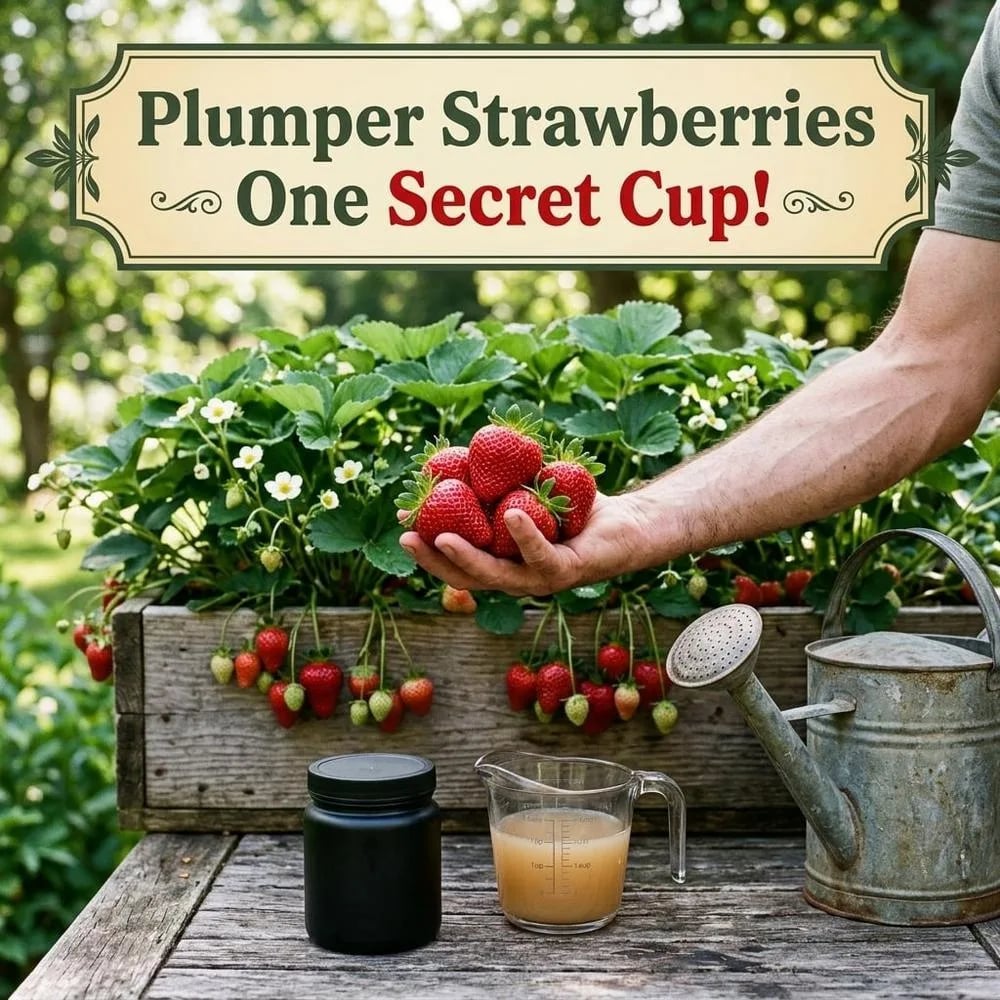
- Measuring Cup: A clear glass measuring cup with markings (like a 1-cup liquid measuring cup) for accurate dilution.
- Gallon Container: A clean bucket, watering can, or another gallon-sized container for diluting the tea.
- Watering Can: A standard garden watering can, preferably with a long spout to pour precisely around the base of plants. Consider one with a removable rose sprinkler head for general watering, but remove it for applying the tea.
- Balanced Granular Fertilizer (Optional, but Recommended): A slow-release organic granular fertilizer (e.g., a 10-10-10 or a specific berry blend) for a complete feeding program. This is a premium option to complement the banana peel tea.
- Compost Bin: An essential for disposing of used banana peels responsibly and enriching your garden soil.
Step-by-Step Guide to Making and Applying Banana Peel Tea for Strawberries
This simple, yet effective, homemade concoction can provide a gentle boost to your strawberry plants. Follow these steps carefully to ensure you get the most out of your banana peel tea for strawberries.Stage 1: Preparing Your Banana Peels for Tea
- Gather Your Peels: Collect 2-3 banana peels. It's best to use peels from ripe or overripe bananas, as they are believed to have higher potassium content.
- Chop the Peels: Using a sharp knife and cutting board, roughly chop the banana peels into 1-inch to 2-inch pieces. Smaller pieces will expose more surface area, potentially allowing more nutrients to leach into the water.
- Place in Jar: Put the chopped banana peels into a clean glass jar. A quart-sized Mason jar is ideal.
- Add Water: Fill the jar with water, ensuring the banana peels are fully submerged. Leave about an inch of headspace at the top of the jar.
- Cover and Soak: Securely place a lid on the jar. Let the mixture soak at room temperature for two days. This steeping time allows the potassium and other trace minerals from the peels to infuse into the water.
Stage 2: Diluting and Applying Your Banana Peel Tea
- Strain the Concentrate: After two days, remove the lid from the jar. Pour the liquid through a fine-mesh strainer or cheesecloth into your measuring cup. Discard the solid banana peel pieces into your compost bin (do NOT bury them near your plants, as this can attract pests).
- Measure the Concentrate: You should have a brownish, slightly cloudy liquid – this is your banana peel tea concentrate. Measure out 1 cup of this concentrate.
- Dilute the Concentrate: Pour the 1 cup of banana peel tea concentrate into a clean 1-gallon watering can or bucket. Fill the rest of the gallon container with fresh water, effectively diluting the concentrate.
- Stir Thoroughly: Use a spoon or stirring stick to gently mix the diluted tea. This ensures an even distribution of nutrients.
- Apply to Strawberry Plants: Carefully pour the diluted banana peel tea slowly around the base of your strawberry plants. Aim to keep the liquid on the soil and avoid getting it directly on the leaves, especially during sunny parts of the day, as this can sometimes cause leaf burn.
- Timing is Key: Apply this tea every two weeks during the plants' active flowering and fruiting stages. This is when your strawberries are most in need of potassium to support robust berry development.
Best Growing Conditions for Plump Strawberries
Achieving a fantastic strawberry harvest goes beyond just supplemental feeding; it requires understanding and providing the optimal growing conditions. Here’s what your strawberries truly crave:| Condition | Requirement | Why it Matters |
|---|---|---|
| Sunlight | Full sun (at least 6-8 hours direct sunlight daily) | Essential for photosynthesis, flower production, and fruit ripening. Insufficient sun leads to smaller harvests and less flavorful fruit. |
| Soil Type & pH | Well-draining, fertile, slightly acidic soil (pH 5.5-6.5) | Strawberries thrive in rich, loamy soil amended with organic matter. Good drainage prevents root rot, while the correct pH ensures nutrient availability. |
| Watering | Consistent moisture (1-1.5 inches per week, especially during flowering/fruiting) | Crucial for fruit development and plant health. Inconsistent watering can lead to small, misshapen berries or even plant death. Soil should be moist but not waterlogged. |
| Temperature | Optimal growth between 60-80°F (15-27°C) | Strawberries prefer temperate climates. Extreme heat can stress plants, reduce fruit set, and lead to soft berries. Frost can damage flowers and young fruit. |
| USDA Zones | Hardy in Zones 3-10 (varies by variety) | Most common garden strawberries (*Fragaria x ananassa*) are adaptable, but choosing a variety suited to your specific climate zone is key for perennial success. |
| Best Season to Plant | Early spring (after last frost) or late summer/early fall | Spring planting allows plants to establish before summer heat. Fall planting in warmer zones gives roots time to develop before winter dormancy. |
Pro Gardening Hacks and Tips for Strawberry Success
Beyond the basics and banana peel tea, these expert tips will help you maximize your strawberry yield and keep your plants healthy.- Mulch Heavily: Apply a 2-4 inch layer of straw, pine needles, or shredded leaves around your plants. This conserves moisture, suppresses weeds, keeps berries clean, and moderates soil temperature.
- Control Runners: While runners produce new plants, too many can drain energy from the parent plant, reducing fruit production. Snip off excess runners, especially in the first year, to encourage stronger fruit development.
- Elevate Your Berries: Use strawberry supports or trellises to keep berries off the soil. This prevents rot, makes harvesting easier, and reduces pest access.
- Consider Drip Irrigation for Berry Plants: A soaker hose or drip irrigation system ensures consistent, deep watering directly to the roots, minimizing water waste and keeping leaves dry, which helps prevent fungal diseases.
- Rotate Your Beds: If planting in-ground, avoid planting strawberries in the same spot for more than 3-4 years to prevent soil-borne diseases and nutrient depletion.
- Netting for Birds: Birds love ripe strawberries as much as we do. Drape bird netting over your plants as berries begin to ripen to protect your harvest.
- Feed with a Balanced Fertilizer: While banana peel tea is a potassium boost, strawberries also need nitrogen and phosphorus. Apply a balanced organic fertilizer in early spring and again after the main harvest.
- Harvest Regularly: Pick ripe strawberries daily or every other day. This encourages the plant to produce more fruit and prevents overripe berries from attracting pests or rotting on the plant.
- Renovate June-Bearing Beds: After the main harvest, June-bearing varieties benefit from renovation: mow the foliage, thin out old plants, and fertilize. This rejuvenates the bed for the following year.
- Plant in Raised Garden Beds: A raised garden bed kit for strawberries offers excellent drainage, warms up faster in spring, and allows for easier soil customization and pest management.
Organic and Natural Alternatives for Strawberry Care
While banana peel tea is a great natural supplement, a holistic organic approach involves several other practices to ensure robust, healthy strawberry plants.- Compost: The ultimate organic amendment. Incorporate well-rotted compost into your soil before planting and top-dress annually. Compost improves soil structure, aeration, water retention, and provides a slow release of a wide spectrum of nutrients, acting as a complete natural plant food for berries. It’s far more comprehensive than banana peel tea alone.
- Worm Castings: "Black gold" for gardeners, worm castings are rich in beneficial microbes and plant-available nutrients. Mix into potting soil or use as a top dressing for a gentle, effective boost.
- Alfalfa Meal: A good source of nitrogen, trace minerals, and growth stimulants. Apply lightly around plants in spring.
- Fish Emulsion or Seaweed Extract: These liquid fertilizers provide a quick boost of nitrogen, trace minerals, and hormones. Use diluted as a foliar spray or soil drench according to product instructions. They offer a more complete nutrient profile than banana peel tea.
- Companion Planting: Strategically planting certain species near your strawberries can deter pests and attract beneficial insects. Borage is known to improve strawberry flavor and deter tomato hornworms (which can also affect strawberries). Thyme and marigolds can help deter slugs and nematodes.
- Homemade Pest Sprays: For common strawberry pests like aphids, a simple solution of mild dish soap and water (1-2 teaspoons per gallon of water) can be sprayed on affected foliage. Always test on a small area first. This is a natural strawberry pest control organic method.
It's important to understand the limitations of these natural alternatives. While beneficial, most homemade solutions like banana peel tea are mild and may not provide the precise balance of macronutrients (nitrogen, phosphorus, potassium) and micronutrients that a complete, balanced commercial organic fertilizer offers. They work best as part of a comprehensive feeding program, not as standalone solutions if your soil is severely depleted.
For most home gardeners, DIY is the way to go. The local extension office is also an invaluable, often free, resource for soil testing and advice on specific plant problems in your region.
Common Mistakes to Avoid When Growing Strawberries
Even experienced gardeners can make mistakes with strawberries. Avoiding these common pitfalls will significantly improve your chances of a bumper crop.- Overwatering or Underwatering: Strawberries need consistent moisture, but soggy soil leads to root rot, while dry soil stresses plants and reduces fruit size. Stick to the 1-1.5 inches per week guideline and check soil moisture regularly.
- Planting Too Deep or Too Shallow: The crown (the point where the leaves and roots meet) must be exactly at soil level. Burying it too deep can cause rot, and planting too shallow can dry out the roots.
- Insufficient Sunlight: Less than 6 hours of direct sun will result in sparse flowering, small, pale fruit, and weak plants. Full sun is non-negotiable for sweet, abundant berries.
- Neglecting Soil Preparation: Planting in heavy clay or sandy, nutrient-poor soil without amendment will lead to poor growth. Always amend with plenty of organic matter like compost.
- Overcrowding Plants: Too many plants competing for resources in a small space leads to reduced air circulation, increased disease risk, and smaller yields. Follow recommended spacing guidelines.
- Ignoring Runners: While some runners are good for propagation, allowing all runners to grow unchecked will sap energy from the parent plant, leading to fewer and smaller berries.
- Using Unbalanced Fertilizers: Too much nitrogen encourages leafy growth at the expense of fruit. A balanced fertilizer or one slightly higher in potassium and phosphorus during flowering/fruiting is best. Banana peel tea specifically helps with potassium, but remember the overall balance.
- Burying Banana Peels Directly: As cautioned, burying banana peels near plants attracts pests like fruit flies, ants, and even rodents, which can then damage your plants and fruit. Always compost them.
- Not Protecting from Pests and Birds: Waiting until your berries are half-eaten to act is too late. Proactive measures like netting and companion planting are crucial.
Troubleshooting Strawberry Pests and Problems
Even with the best care, strawberries can encounter issues. Knowing how to identify and address them quickly is key to protecting your harvest.Common Pests:
- Slugs and Snails: Symptoms include ragged holes in leaves and fruit, often with a silvery slime trail.
- Cause: Moist, cool conditions, decaying organic matter.
- Fix: Hand-pick, set beer traps, use copper tape barriers, or apply organic slug baits. Reduce mulch thickness if it's creating too much dampness.
- Aphids: Small, soft-bodied insects clustered on new growth and undersides of leaves, causing distorted leaves and sticky honeydew.
- Cause: Warm, dry conditions, often brought in by other plants.
- Fix: Spray with a strong jet of water, apply insecticidal soap (a natural strawberry pest control organic method), or introduce beneficial insects like ladybugs.
- Spider Mites: Tiny specks on leaves, often with fine webbing, causing stippling (tiny dots) and yellowing.
- Cause: Hot, dry conditions.
- Fix: Increase humidity, spray with insecticidal soap or neem oil, or release predatory mites.
- Birds: Peck marks or entire missing ripe berries.
- Cause: They love ripe fruit!
- Fix: Cover plants with bird netting as fruit begins to ripen.
Common Diseases:
- Gray Mold (Botrytis Fruit Rot): Fuzzy gray mold on ripening or ripe fruit, especially where fruit touches the soil or other berries.
- Cause: High humidity, poor air circulation, wet conditions.
- Fix: Improve air circulation (proper spacing), mulch to keep berries off soil, water at the base of plants, remove affected fruit immediately.
- Leaf Spot: Small, purplish spots on leaves that enlarge and turn gray with purple borders.
- Cause: Fungal infection, often in wet conditions.
- Fix: Remove affected leaves, ensure good air circulation, avoid overhead watering, plant resistant varieties.
Nutrient Deficiencies:
- Potassium Deficiency: Yellowing or browning along the edges of older leaves, sometimes with reduced fruit size or quality.
- Cause: Insufficient potassium in the soil.
- Fix: Apply a fertilizer higher in potassium, such as a balanced organic fertilizer with a higher K number, or supplement with banana peel tea.
- Nitrogen Deficiency: Overall pale green or yellowing of older leaves, stunted growth.
- Cause: Insufficient nitrogen in the soil.
- Fix: Apply a balanced fertilizer or one higher in nitrogen (e.g., blood meal, fish emulsion).
Realistic Expectations for Banana Peel Tea
While the idea of a "secret" ingredient for gardening is exciting, it's crucial to approach banana peel tea with realistic expectations. This homemade brew is a mild, supplemental feed, not a complete fertilizer, and its effects can vary. Firstly, banana peels *do* contain potassium, a vital macronutrient that supports flowering and fruiting, enhances overall plant vigor, and helps with water regulation. So, the claim that banana peel tea provides potassium is accurate. However, the amount of potassium leached into the water during a two-day soak is relatively small and highly diluted. It's not a concentrated shot of nutrients. Therefore, while banana peel tea can offer a gentle potassium boost, especially during the crucial flowering and fruiting stages, it will not miraculously transform struggling plants into prolific producers. It is *not* a replacement for a complete, balanced fertilizer that provides nitrogen, phosphorus, and a full spectrum of micronutrients. If your soil is severely depleted or your plants are suffering from a broad nutrient deficiency, banana peel tea alone won't solve the problem. Results can vary significantly. Factors like the ripeness of the banana peels, the quality of your water, and the existing nutrient levels in your soil will all influence the tea's effectiveness. Some gardeners report noticeable improvements in fruit size and quantity (e.g., "plumper strawberries"), while others see little difference. This is largely due to the variability of homemade concoctions and the overall health of the plant. Think of banana peel tea as a healthy snack for your strawberries, not their main meal. It's a low-cost, sustainable way to repurpose food waste and provide a gentle, natural supplement. For truly robust growth and consistent, high yields, you must prioritize full sun, steady watering, well-drained, fertile soil, and a comprehensive feeding program that includes a balanced fertilizer. Results from banana peel tea are typically subtle and take several applications over weeks to potentially become apparent.DIY vs. Hiring a Professional for Strawberry Care
For most home gardeners, growing strawberries and applying DIY treatments like banana peel tea is a rewarding and manageable endeavor. However, there are instances when consulting a professional can be beneficial, especially if you're dealing with widespread issues or aiming for a large-scale, commercial-level harvest. DIY strawberry care, including making banana peel tea, is perfect for hobby gardeners who enjoy the process, want to save money on groceries, and are growing a reasonable number of plants in containers or small garden beds. It offers the satisfaction of hands-on gardening and learning. You might consider hiring a professional if:- You have a very large area you want to convert into a strawberry farm and need advice on soil testing, large-scale irrigation, or commercial planting techniques.
- Your entire strawberry patch is consistently failing despite your best efforts, and you suspect a severe soil deficiency, widespread disease, or a persistent pest problem that you can't identify or control.
- You're looking to integrate strawberries into a complex landscape design and need expert guidance on plant selection, placement, and long-term care as part of a larger landscaping project.
| Aspect | DIY Strawberry Care (e.g., Banana Peel Tea) | Professional Landscaping/Horticultural Service |
|---|---|---|
| Typical Cost Range (USD) | $0 - $50 (for basic supplies like soil amendments, small tools) | $100 - $500+ (for consultation, soil testing, pest diagnosis); $500 - $5,000+ (for full bed installation, large-scale planting) |
| Time Commitment | Moderate (regular watering, fertilizing, pest checks, tea prep) | Low (professional handles planning, installation, specialized treatments) |
| Results | Good for small-to-medium scale, satisfying personal harvests; variable for "plumper" fruit with tea alone. | Potentially optimized yields, expert disease/pest management, professional-grade installation for large projects. |
| Best For | Hobby gardeners, small patches, containers, learning, organic methods, saving money. | Large-scale projects, persistent problems, complex landscape integration, commercial aspirations, those short on time/expertise. |
Best Products and Tools Worth Buying for Strawberry Cultivation
Investing in a few quality products and tools can significantly enhance your strawberry growing experience and success.- Raised Garden Bed Kit: A cedar raised bed kit or similar durable material provides excellent drainage, warms soil faster in spring, and makes gardening more accessible. Look for kits with rot-resistant wood and easy assembly.
- Quality Potting Mix or Garden Soil: If growing in containers or raised beds, choose a premium organic potting mix specifically formulated for fruits and vegetables, ensuring good drainage and nutrient content. For in-ground beds, invest in high-quality compost to amend your native soil.
- Balanced Organic Granular Fertilizer: A slow-release organic granular fertilizer (e.g., 5-10-10 or 10-10-10) or a specific berry blend. This ensures your strawberries get a complete range of nutrients throughout the season, complementing the potassium from banana peel tea.
- Drip Irrigation System or Soaker Hose: A soaker hose on a timer or a simple drip irrigation kit ensures consistent, targeted watering directly to the roots, saving water and preventing fungal diseases by keeping foliage dry.
- Bird Netting: Lightweight, durable bird netting is essential to protect ripening fruit from hungry birds. Look for fine mesh that won't entangle birds and is easy to drape over your plants.
- Hand Trowel and Cultivator: A sturdy hand trowel for planting and a small hand cultivator for weeding and aerating around plants are invaluable. Look for stainless steel options for durability.
- Watering Can with Long Spout: A galvanized metal watering can with a long, narrow spout allows for precise watering at the base of plants, minimizing splash and keeping leaves dry when applying banana peel tea or regular water.
Safety Precautions in the Strawberry Patch
Gardening is generally a safe and enjoyable activity, but a few precautions can help ensure your well-being and the health of your plants and pets.- Tool Safety: Always handle sharp tools like knives and trowels with care. Store them properly to prevent accidents. Keep all garden tools out of reach of children and pets.
- Pest Attraction: Never bury banana peels directly in your garden. As mentioned, they attract pests such as fruit flies, ants, and potentially rodents, which can then become a nuisance or damage your plants. Always compost used peels.
- Fermented Tea Odor: Banana peel tea, if left for too long (more than a few days after preparation), can ferment and develop an unpleasant, strong odor. While generally not harmful to plants, it's best to use it fresh or discard it if it smells off. Don't consume it.
- Leaf Burn: While banana peel tea is mild, avoid applying any liquid fertilizer directly to plant leaves during the hottest, sunniest part of the day, as this can sometimes cause leaf scorch or burn. Always apply to the soil around the base of the plant.
- Sun Protection: When working outdoors, especially in full sun, remember to wear a wide-brimmed hat, use sunscreen, and stay hydrated to prevent sunburn and heatstroke.
- Pet and Child Safety: While strawberries are safe, ensure any commercial fertilizers or pest control products you use are stored safely and applied according to instructions, especially if you have curious pets or young children who might explore the garden.
Seasonal Care Calendar for Strawberries
Understanding the seasonal needs of your strawberry plants is crucial for continuous health and bountiful harvests.Spring (After Last Frost)
- Clean-Up: Remove any old, dead leaves or mulch from the previous year.
- Fertilize: Apply a balanced granular fertilizer (e.g., 10-10-10) or an organic berry blend around the base of plants. This provides essential nutrients for new growth.
- Mulch: Apply a fresh layer of straw or pine needles (2-4 inches thick) around plants to conserve moisture, suppress weeds, and keep developing berries clean.
- Watering: Begin consistent watering, especially as flowers appear.
- Banana Peel Tea: Start applying banana peel tea every two weeks once flowering begins.
- Pest Watch: Keep an eye out for early pests like aphids and slugs.
Summer (Flowering and Fruiting)
- Watering: Maintain consistent moisture, providing 1-1.5 inches of water per week, especially during dry spells and peak fruiting. Drip irrigation for berry plants is ideal.
- Banana Peel Tea: Continue applying every two weeks during the entire flowering and fruiting period.
- Harvesting: Pick ripe strawberries daily or every other day to encourage continuous production.
- Pest & Bird Control: Install bird netting as berries ripen. Monitor for pests and address issues promptly.
- Runner Management: For June-bearing varieties, allow a few runners to root for new plants, but prune excess runners to direct energy to fruit production. For everbearing/day-neutral, prune most runners to maximize fruit.
- Renovation (June-bearing): After the main harvest (typically late summer for June-bearing), mow foliage to about 4 inches, thin out old plants, and apply a light application of fertilizer.
Fall (After Harvest)
- Clean-Up: Remove any remaining weeds and old, diseased foliage.
- Fertilize: A light application of a balanced fertilizer can help plants store energy for winter.
- Planting (Warmer Zones): In USDA Zones 7-10, fall can be a good time to plant new strawberry plants, allowing roots to establish before winter.
- Watering: Continue watering until the ground freezes, but reduce frequency.
Winter (Dormancy)
- Mulching: In colder climates (USDA Zones 3-6), apply a thick layer (4-6 inches) of straw or pine needles after the ground freezes. This protects plants from extreme cold and freeze-thaw cycles.
- Watering: No active watering needed once the ground is frozen.
- Planning: Use this time to plan next year's crop, order new varieties, and maintain garden tools for fruit harvesting.
Frequently Asked Questions About Banana Peel Tea for Strawberries
How do you make banana peel tea for strawberry plants?
To make banana peel tea, soak 2-3 chopped banana peels in a jar of water for two days. After soaking, strain the liquid, which is your concentrate.Is banana peel tea good for strawberry plants?
Yes, banana peel tea can be good for strawberry plants as a supplemental source of potassium, which supports robust flowering and fruiting. However, it's a mild folk feed and not a complete fertilizer.What nutrients do banana peels provide for plants?
Banana peels primarily provide potassium (K), a macronutrient vital for flower and fruit development, overall plant vigor, water regulation, and disease resistance. They also contain trace amounts of other minerals.Can banana peel tea replace regular strawberry fertilizer?
No, banana peel tea cannot replace a complete, balanced strawberry fertilizer. It is a mild, potassium-rich supplement and lacks the full range of nitrogen, phosphorus, and other micronutrients essential for overall plant health.How often should I feed strawberries with banana peel tea?
Apply the diluted banana peel tea every two weeks during the active flowering and fruiting stages of your strawberry plants. Remember to pour it around the base of the plants, keeping leaves dry.Why do banana peels attract fruit flies in the garden?
Banana peels, especially when decomposing, release sugars and odors that are highly attractive to fruit flies and other pests. Burying them directly near plants can draw these pests to your strawberry patch.Final Thoughts
The journey to growing plump, delicious strawberries is a rewarding one, filled with learning and the joy of nurturing nature. Homemade banana peel tea offers a simple, sustainable, and natural way to give your strawberry plants a gentle boost of potassium, supporting those beautiful blossoms and succulent fruits. It's a wonderful example of how we can repurpose everyday organic waste into something beneficial for our gardens. Remember, while this "secret" tea can be a helpful addition, it thrives best as part of a comprehensive care routine. Consistent full sun, steady watering, well-drained soil, and a balanced feeding program are the true cornerstones of a successful strawberry patch. Embrace this natural hack, but always prioritize the fundamental needs of your plants, and you'll be well on your way to enjoying a bountiful harvest of homegrown strawberries that are as sweet as your gardening efforts. Happy growing!Written by
Editors
The GreenRif editorial team researches, writes and fact-checks our gardening guides against university extension and USDA sources.
Keep reading
All Soil & Fertilizer guides
Pests & Plant Problems
DIY Milk Spray for Powdery Mildew on Cucumbers
Discover how to make a homemade milk spray for powdery mildew on cucumbers, squash, and zucchini. Learn easy steps for organic powdery mildew control.
22 min read